


Malory Turner named a 2026 OSU Changemaker

By Becky Barrett
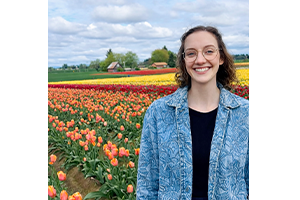
Ever get the feeling you were meant to do something different? For Malory Turner, ’16, a special education professional learning coach, it’s already happened four times, with each reckoning leading her closer to where she was meant to be.
Turner’s leadership and commitment to creating inclusive, supportive learning environments within special education in Oregon are among the reasons she was chosen for OSU Changemakers in 2026. The program, part of the OSU Days of Service, celebrates Beavers who meaningfully transform their communities or fields of interest through their careers or volunteer work. By blazing a path toward equity, Turner underscores the profound impact that even modest efforts can have.
The first time Turner felt the need to pivot was in college. With a strong family history at Oregon State, it was a natural step for Turner to carry on the Beaver legacy.
“My parents made me apply to at least one other college as a backup,” she recalls. “But it was a done deal from the beginning.”
Turner wanted to become a kindergarten teacher and first studied human development and family sciences with an early childhood option. But sophomore year, she switched to human services.
After graduating, she worked at a memory care facility. It was fun to brighten the day of residents living with Alzheimer’s and dementia. But although she’d sidelined her earlier aspirations, she still wanted to work with children.
So, she took a job as a special education assistant at an elementary school. The setting was a better fit for her helping people with disabilities. But she felt limited in working with students one-on-one.
“I’m very much a systems person,” Turner says.
So, she got her master’s degree to become a special education teacher and spent four years in the classroom. Like many new teachers, Turner experienced burnout. Due to factors including unmanageable workloads, poor support and low pay, more than 40% of early-career teachers leave within five years.
At a time when many educators flee the profession, Turner found herself asking again, what more can I do and what’s next?
That’s when she landed in a first-of-its-kind role with the Northwest Regional Education Service District, serving 20 school districts in Oregon’s Columbia, Clatsop, Tillamook and Washington counties. Through professional development, Turner equips educators with the tools, knowledge and support they need to better serve students with the highest needs. Recently, she was able to secure funding to expand access to these training opportunities through reimbursement of substitute costs needed for educators in her region for the 2026–27 school year.
Her work is redefining how special education professional development is designed and delivered. As a leader of the region’s multidisciplinary Traumatic Brain Injury Team and a member of the Oregon Education Association’s Special Education Committee, her influence extends statewide.
Turner takes pride in supporting teachers so they can continue in the profession and be successful.
“I am really passionate about the field,” she says. “It’s been nice to come in and alleviate some of the strain on educators. This job was meant for me.”